

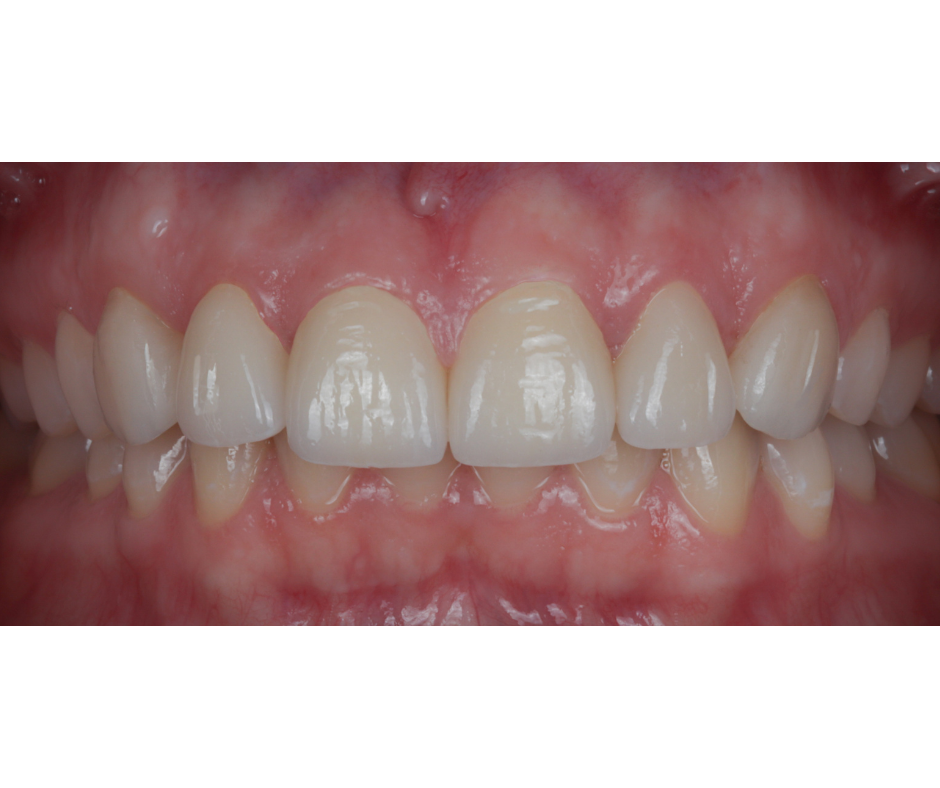
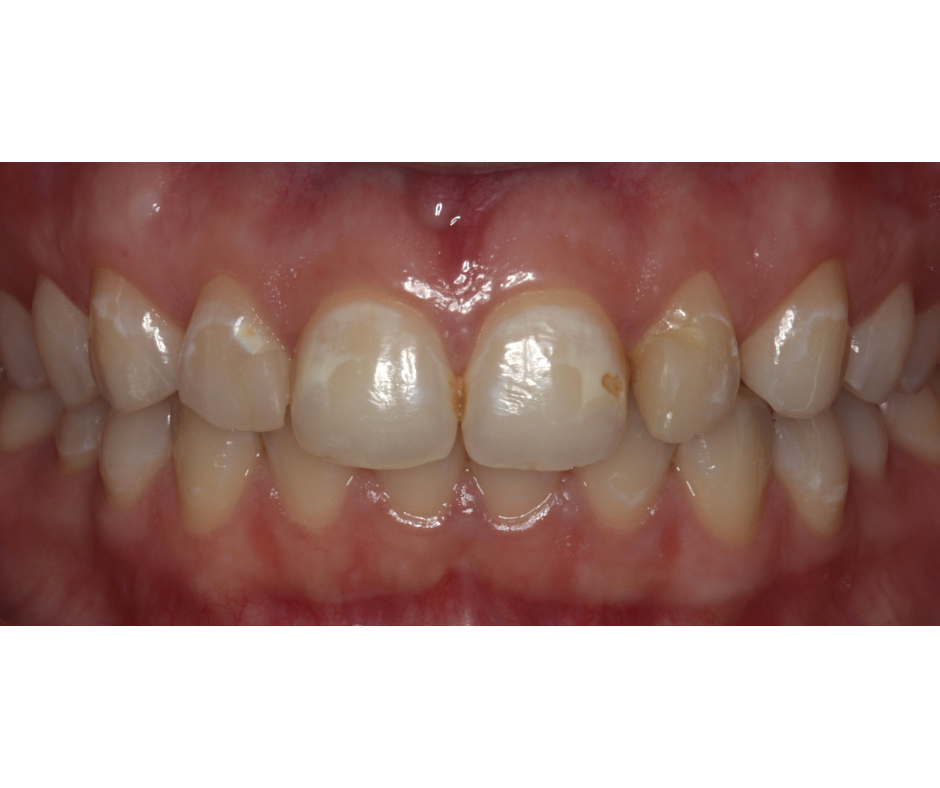
Conservative veneer reconstruction
Veneers & Aesthetic Reconstruction
Refining Smiles.
Preserving Biology.
Veneers are not simply about making teeth look whiter. They are about reshaping form, proportion, symmetry, and harmony while protecting long-term tooth structure.
Understanding Treatment
What Are Veneers?
Veneers are ultra-thin custom restorations bonded to the front surface of teeth. They are designed to improve:
Tooth shape
Tooth size
Color
Alignment appearance
Smile symmetry
Unlike aggressive crowns, veneers allow a highly conservative approach focused on preserving natural tooth biology whenever possible.
Indications
When Are Veneers Recommended?
Veneers may be appropriate for patients seeking correction of:
Discolored teeth
Chipped or worn teeth
Uneven tooth shapes
Minor spacing issues
Smile asymmetry
Every case is evaluated through facial analysis, bite dynamics, and structural integrity, not just visual appearance.
Specialist Philosophy
A Prosthodontic Approach to Veneers
As a board-certified prosthodontist, Dr. Akshay Parmar approaches veneers differently from traditional cosmetic workflows. Treatment decisions are guided by:
Bite stability
Functional longevity
Tooth preservation
Tissue harmony
Long-term predictability
This philosophy ensures veneers are not only aesthetic, but biologically and mechanically stable.
Methodology
Precision Through the STABLE Protocol™
Smile reconstruction requires more than artistic judgment. Dr. Parmar applies principles from the STABLE Protocol™, a biologically driven treatment philosophy emphasizing:
Structural integrity
Occlusal stability
Tissue preservation
Predictable longevity
This structured approach minimizes future complications while optimizing aesthetic outcomes.
Clinical Outcomes
Smile Transformations
Conservative veneer-based reconstruction designed to improve symmetry, proportion, and smile harmony.
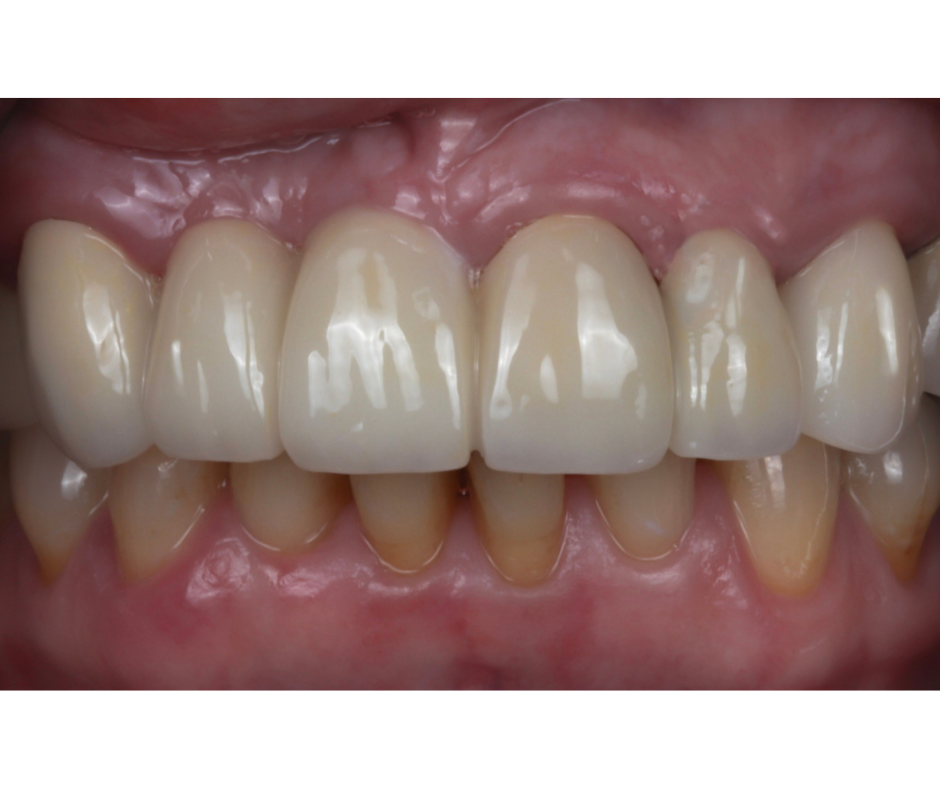
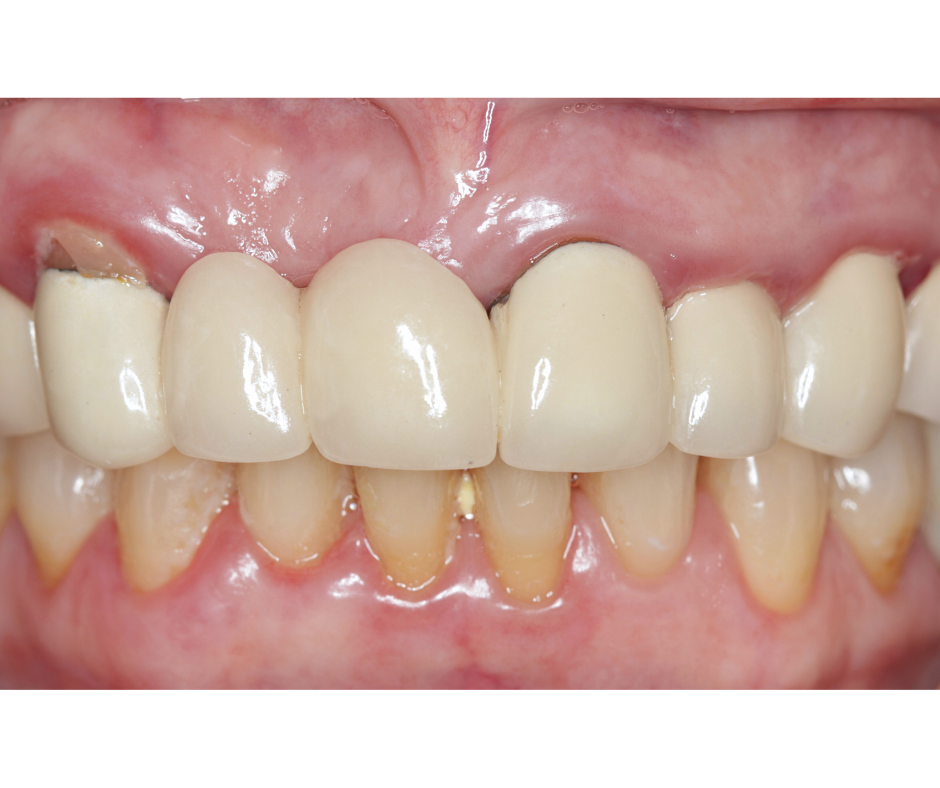
Conservative veneer-based reconstruction restoring natural form, alignment, and tissue harmony.
Clinical Standard
Why Precision Matters
Veneers influence far more than appearance. Improper planning can affect:
Bite function
Tooth health
Longevity
Structural durability
Specialist-level evaluation ensures restorations integrate seamlessly with biology, mechanics, and aesthetics.
What to Expect
Your Treatment Timeline
Consultation & Design
Your specialist evaluates your teeth, bite, and facial proportions. Digital imaging and diagnostic models guide the design process. You participate in shaping the aesthetic vision.
Tooth Preparation
A minimal amount of enamel is conservatively prepared to create space for the veneer. Temporary restorations are placed to protect your teeth and preview the final result.
First 24–72 Hours
Temporary veneers may feel slightly different. Mild sensitivity to temperature is normal. Avoid sticky or hard foods that could dislodge temporaries.
Final Placement
Your custom porcelain veneers are bonded with precision. Color, fit, and function are verified before final cementation. The result is immediate and transformative.
Long-Term Care
With proper hygiene and regular follow-up, veneers provide decades of stable, beautiful function. Your specialist monitors their integrity over time.
Healing & Recovery
Veneer treatment involves minimal recovery. Most patients adapt quickly to their new restorations and experience no significant discomfort.
- Mild sensitivity to temperature may occur after preparation. This is temporary.
- Temporary veneers protect your teeth during the fabrication period.
- Final veneers feel smooth and natural once bonded.
- Bite adjustment, if needed, is performed at the placement appointment.
- Most patients describe the experience as comfortable and straightforward.
Practical Guidance
Looking after it day to day
With Temporaries
Avoid sticky, crunchy, or very hard foods. Brush gently. If a temporary dislodges, contact your specialist. It can usually be reattached easily.
After Final Placement
Resume normal oral hygiene. Brush and floss as usual. Your specialist may recommend a night guard if you have a strong bite or grinding habit.
Long-Term Care
Regular professional cleanings maintain porcelain luster. Avoid biting nails, pens, or ice. These habits can stress veneers over time.
Follow-Up
Periodic check-ups allow your specialist to monitor veneer integrity, gum health, and bite stability. Proactive care ensures lasting results.
Common Questions
Questions patients ask most often
Are veneers permanent?
Veneers involve conservative enamel preparation, making the process irreversible. However, high-quality porcelain veneers are designed to last for many years with proper care.
Will teeth feel sensitive?
Some patients experience mild, temporary sensitivity after preparation. This typically resolves within a few days. Sensitivity after final bonding is uncommon.
How long do veneers last?
With proper care, porcelain veneers can last 15–20 years or longer. Longevity depends on oral hygiene, bite forces, and regular follow-up care.
Can I eat normally?
Yes. Once final veneers are bonded, you can eat a normal diet. Avoid using teeth as tools or biting extremely hard objects to protect the restorations.
Will they look natural?
Absolutely. Modern porcelain veneers are designed to replicate the translucency, texture, and shade variations of natural teeth. The result is refined and authentic.
A Smile Designed for Long-Term Stability
Every smile is unique. Treatment begins with comprehensive evaluation, digital planning, and biologically respectful design.
Request Appointment