

Board-Certified Prosthodontist · Fellow, AAMP
Maxillofacial & Oncology
Rehabilitation
Restoring function, comfort, and quality of life following cancer treatment.
Request a ConsultationUnderstanding Rehabilitation
Beyond Teeth Alone
Cancer treatment often creates complex oral and facial challenges that extend far beyond teeth alone.
Surgical resection, radiation therapy, and chemotherapy may affect speech, chewing, swallowing, comfort, facial support, and long-term oral stability.
Rehabilitation requires a highly individualized, medically informed approach designed around biology, function, and structural integrity.
Care is never standardized. It is engineered.
Fellowship-Trained Expertise
Specialist Authority
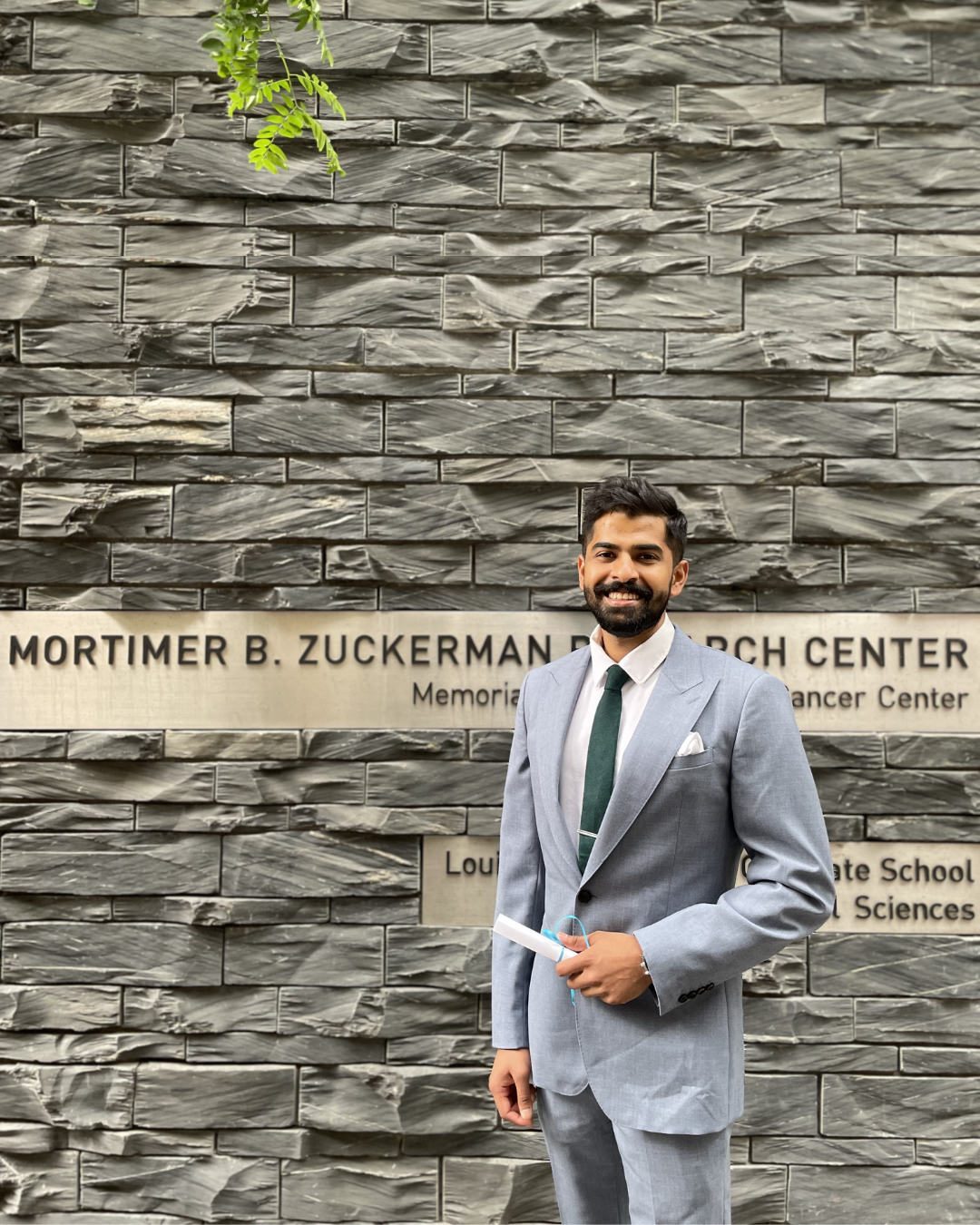
This care is directed by fellowship-trained expertise in maxillofacial prosthetics and complex oral rehabilitation.
Clinical training includes advanced fellowship experience at Memorial Sloan Kettering Cancer Center, working closely with surgeons, oncologists, and multidisciplinary medical teams.
Fellow of the American Academy of Maxillofacial Prosthetics (FAAMP)
Treatment scope includes rehabilitation using precision prosthetic designs, implant-supported restorations, and biologically guided restorative strategies.
Patients referred by hospitals, specialists, and surgeons throughout New Jersey and neighboring states
Your Journey
Every Journey Is Different
Treatment decisions are guided by diagnosis, biology, structural needs, and long-term functional goals, never speed or templates.
Precision rehabilitation. Individualized design. Long-term stability.
Coordinated Rehabilitation
Your Clinical Partner
We work closely with your restorative dentist and medical team to ensure continuity of care and long-term stability.
This role functions as both specialist and clinical partner, guiding design, function, maintenance, and outcomes.
Think of this as expert-directed rehabilitation, supported by a coordinated care team.
Specialized Care
Areas of Expertise
Post-Oncologic Rehabilitation
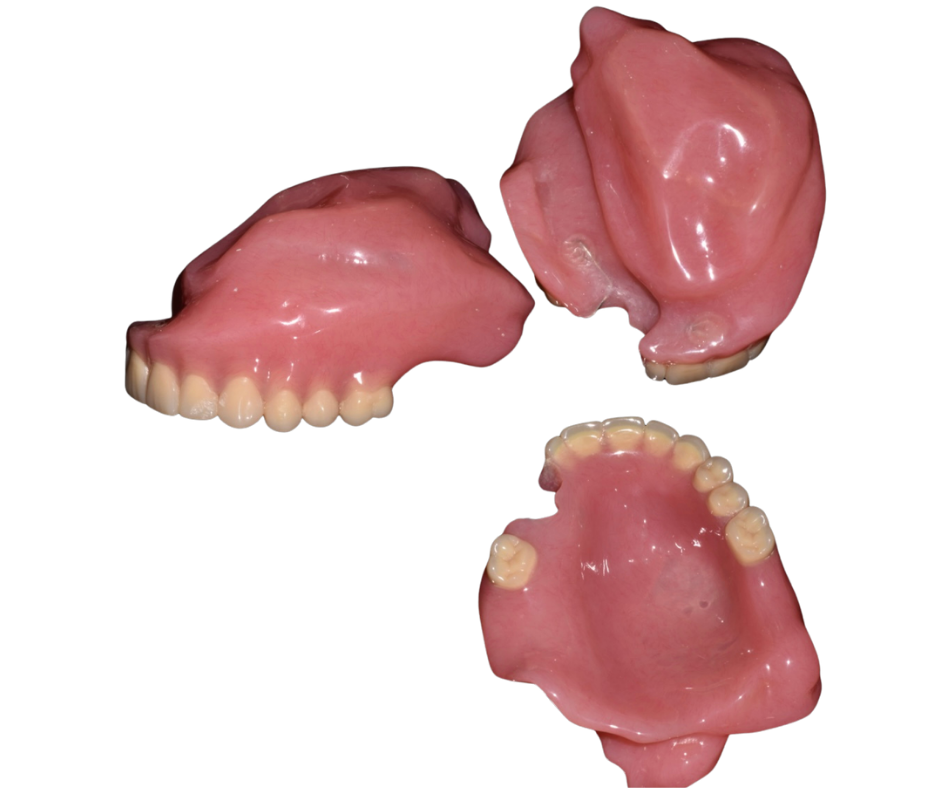
Prosthetic restoration following surgical resection for oral, head, and neck cancers. Treatment focuses on re-establishing oral function, speech, swallowing, and facial form through individualized obturator prostheses and implant-supported rehabilitations.
Congenital Defect Management
Prosthetic solutions for patients born with craniofacial anomalies, including cleft palate and other developmental conditions requiring coordinated, multidisciplinary rehabilitative care.
Surgical & Trauma Rehabilitation
Prosthetic reconstruction following facial trauma, accident-related injuries, or complex surgical interventions. Restorations are designed to restore both function and natural appearance.
Extraoral Prosthetics
Fabrication of custom facial prostheses, including orbital, auricular, and nasal prostheses, for patients who have experienced tissue loss due to disease, surgery, or trauma.
Rehabilitation Philosophy
Restoring More Than Function
Maxillofacial rehabilitation is not simply about replacing what was lost. It is about restoring confidence, comfort, and connection to the world.
Treatment is guided by a deep understanding of the physical and emotional dimensions of recovery, ensuring that every prosthetic solution serves the whole patient.
Clinical Standards
Our Approach
Multidisciplinary Coordination
Close collaboration with surgical oncologists, radiation oncologists, speech pathologists, and other specialists to ensure comprehensive, well-timed rehabilitation.
Patient-Centered Planning
Every rehabilitation plan is developed with deep respect for the patient's emotional journey, personal goals, and quality-of-life priorities.
Precision Prosthetic Design
Advanced materials and digital workflows ensure prosthetic outcomes that are functionally sound, aesthetically refined, and personally meaningful.
What to Expect
Your Healing Timeline
Initial Consultation
A comprehensive evaluation assesses your surgical history, current anatomy, and functional needs. Impressions, imaging, and collaborative planning with your medical team establish the treatment path.
Prosthesis Design & Fabrication
Your prosthesis is custom-designed using advanced techniques. Multiple try-in appointments ensure optimal fit, comfort, and function before final delivery.
Delivery & Adaptation
When your prosthesis is delivered, your specialist adjusts fit and function. An adaptation period is normal as your body adjusts to the new restoration.
First Month
Gradual adaptation to the prosthesis. Speaking, eating, and swallowing may require adjustment. Regular follow-up visits refine comfort and function.
Long-Term Follow-Up
Ongoing monitoring ensures the prosthesis continues to function properly. Tissue changes over time may require periodic adjustments or remakes.
Healing & Recovery
Recovery following maxillofacial rehabilitation is deeply individual. The nature of your surgical history, treatment, and anatomy all influence the process.
- Adaptation to a new prosthesis takes time. Patience with the process is important.
- Speaking and eating may feel different initially. Function improves with practice.
- Tissue changes following surgery or radiation may require prosthetic adjustments.
- Emotional adjustment is a natural part of the journey. Support is always available.
- Your specialist is a consistent presence throughout your recovery.
Practical Guidance
Looking after it day to day
Prosthesis Care
Clean your prosthesis daily as instructed. Handle with care over a soft surface. Store in the recommended solution when not in use.
Eating & Function
Start with softer foods and gradually expand your diet. Practice speaking aloud to accelerate adaptation. Patience supports the process.
Follow-Up Visits
Attend all scheduled appointments. These visits are essential for monitoring fit, tissue health, and making necessary adjustments.
Communication
Report any discomfort, sore spots, or functional concerns promptly. Early adjustments prevent complications and improve comfort.
Common Questions
Questions patients ask most often
How long does adaptation take?
Adaptation varies widely depending on the type and extent of rehabilitation. Most patients notice significant improvement in comfort and function within the first few weeks.
Will I be able to eat normally?
Function is progressively restored. Dietary modifications may be needed initially, with gradual return to a comfortable, varied diet as adaptation progresses.
How often are follow-up visits needed?
Frequent visits during the first months ensure optimal function. Long-term follow-up is scheduled at regular intervals to monitor fit, tissue health, and prosthetic integrity.
Will the prosthesis look natural?
Every prosthesis is individually designed to restore natural appearance as closely as possible. Color, texture, and form are carefully matched to your unique anatomy.
What if tissue changes occur?
Tissue changes are expected, especially following surgery or radiation therapy. Your specialist adjusts or remakes the prosthesis as needed to maintain optimal function and comfort.
Begin the Conversation
If you or a loved one requires maxillofacial or oncologic rehabilitation, we welcome the opportunity to discuss how we can help. Every recommendation is diagnosis-driven.
Request a Consultation