

Board-Certified Prosthodontist · New Jersey
All-on-4 & Full-Arch
Implant Rehabilitation
All-on-4, All-on-6 and All-on-X describe fixed full-arch teeth supported by strategically placed dental implants.
When clinically appropriate, Dr. Akshay Parmar and one specialist-led team coordinate planning, implant surgery, same-day provisional teeth, the final bridge and long-term maintenance in the Hamilton office.
The number and position of implants are selected for the individual case, with the final teeth guiding the surgical plan from the beginning.
A Connected Treatment Plan
From implant surgery to final teeth,
one considered plan.
Dr. Parmar plans the final teeth from the beginning, connecting diagnosis, surgical planning, restoration and maintenance. He coordinates your care with the team at your treating practice, with the treatment setting and sequence determined by your individual needs.
01
Diagnosis and 3D planning
02
Implant surgery
03
Provisional teeth
04
Final prosthesis
05
Long-term maintenance
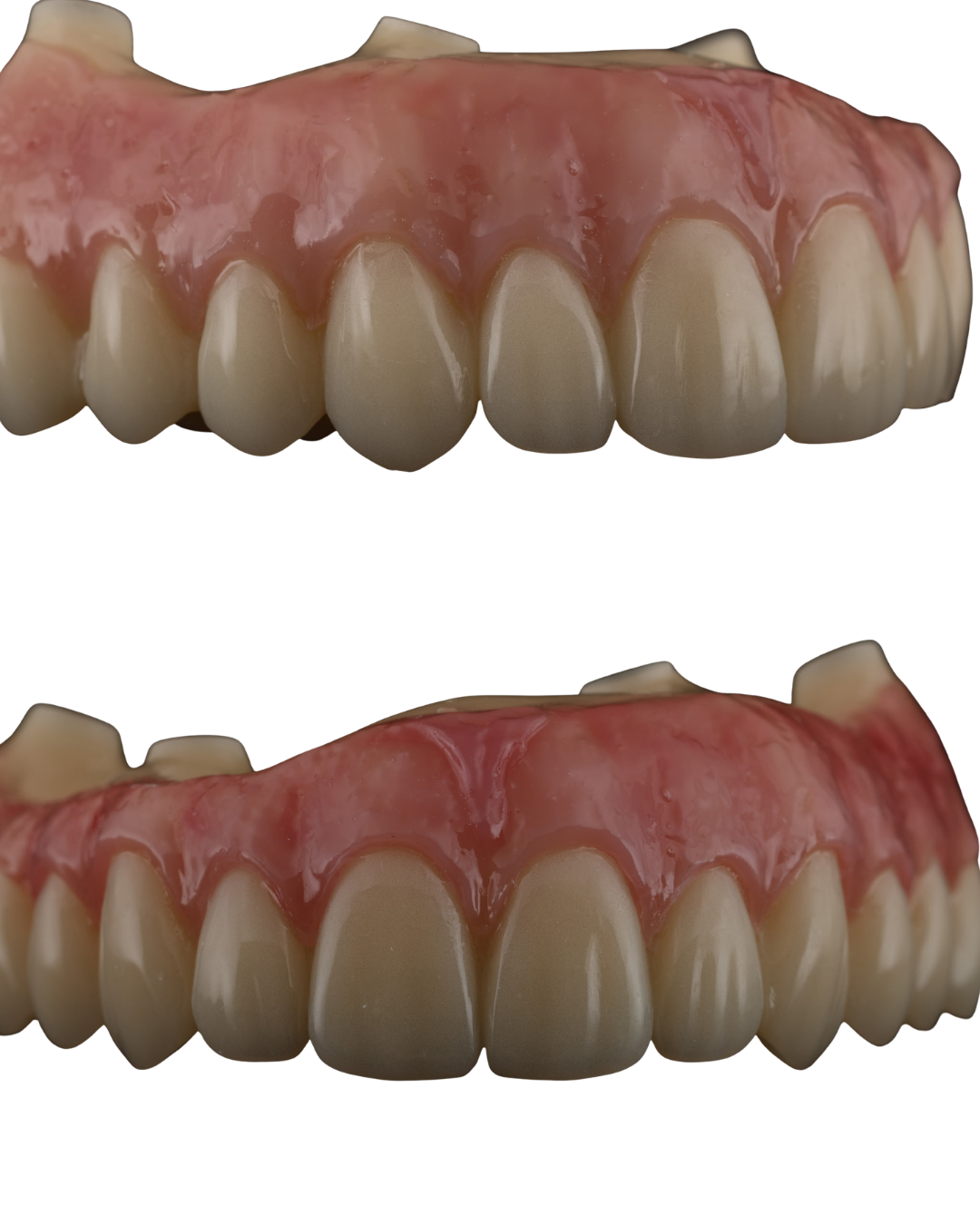
Precision Prosthetics
Full Arch Implant
Rehabilitation
Restoring function, stability, and aesthetics through precision-engineered implant reconstruction.
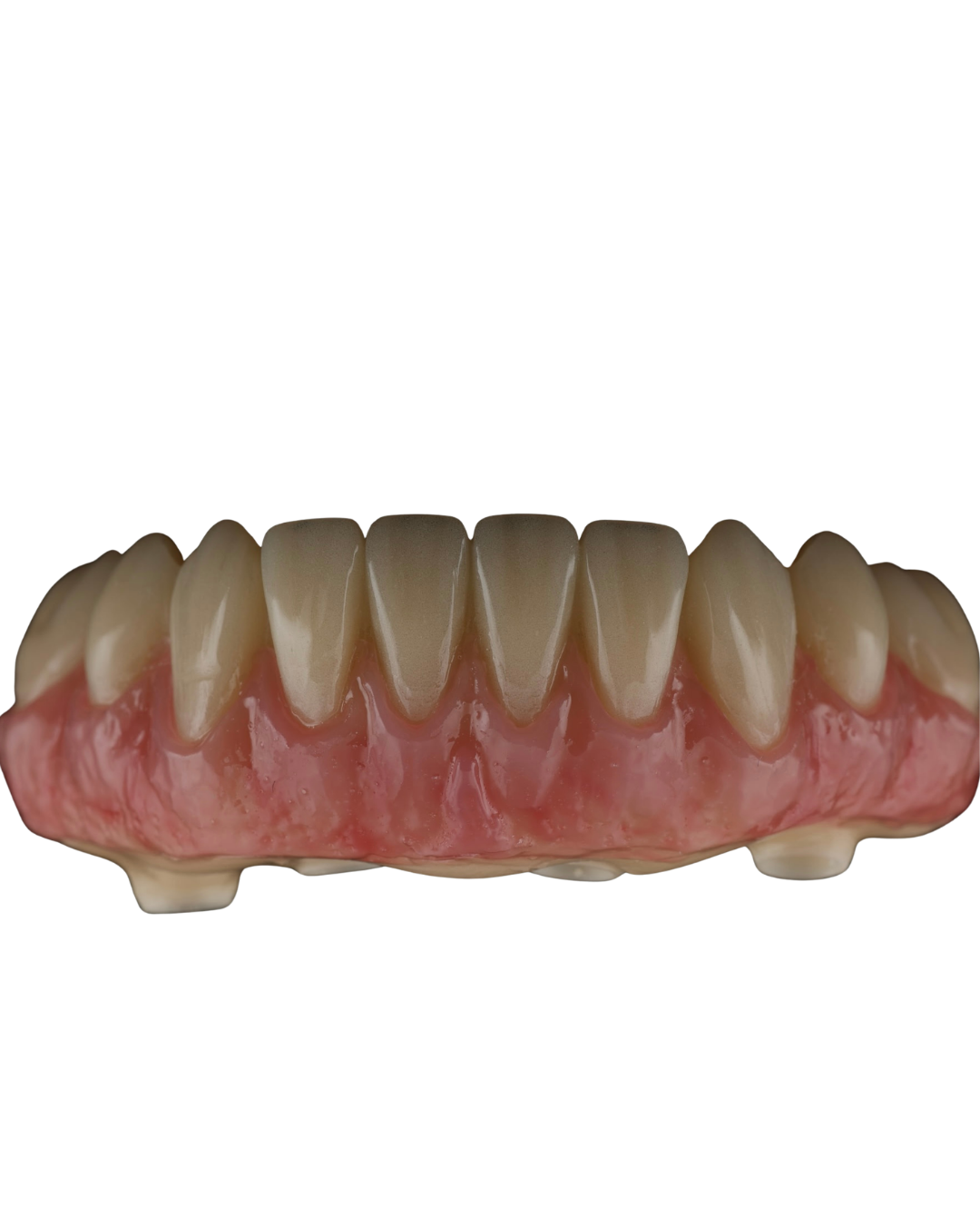
Patient Guide
What Is Full Arch Implant Rehabilitation?
Full arch implant rehabilitation is a fixed, non-removable solution designed to replace an entire set of missing or failing teeth. Using a small number of strategically placed dental implants, a complete set of teeth is securely anchored to the jaw, restoring natural chewing function, speech clarity, and confident aesthetics.
Who Is This Treatment For?
Patients experiencing multiple missing teeth, failing dental work, loose or uncomfortable dentures, or difficulty chewing. This treatment is designed for those seeking a permanent, stable solution.
How Does It Work?
A small number of implants are placed into the jawbone to support a full set of fixed teeth. The result is a restoration that looks, feels, and functions like natural teeth, without the need for removal or adhesives.
What Are the Benefits?
Restored chewing strength and comfort. Improved speech clarity. Preserved jawbone health. A natural, confident appearance. Long-term stability designed to last.
Is It Right for Me?
Candidacy depends on bone support, gum health, and overall medical condition. A comprehensive clinical evaluation will determine the most appropriate treatment pathway for your individual needs.
Designed for Stability.
Planned for Longevity.
Full-arch rehabilitation is a highly structured process.
Every case is designed around bone biology, facial support, function, and long-term mechanical stability.
Treatment decisions are guided by diagnosis and planning, never speed.
The objective is not simply to place implants, but to create a restoration that remains stable, comfortable, and biologically harmonious for years to come.
No templates. No shortcuts. Individualized design.
Restoration. Stability. Confidence.
Clinical Transformation
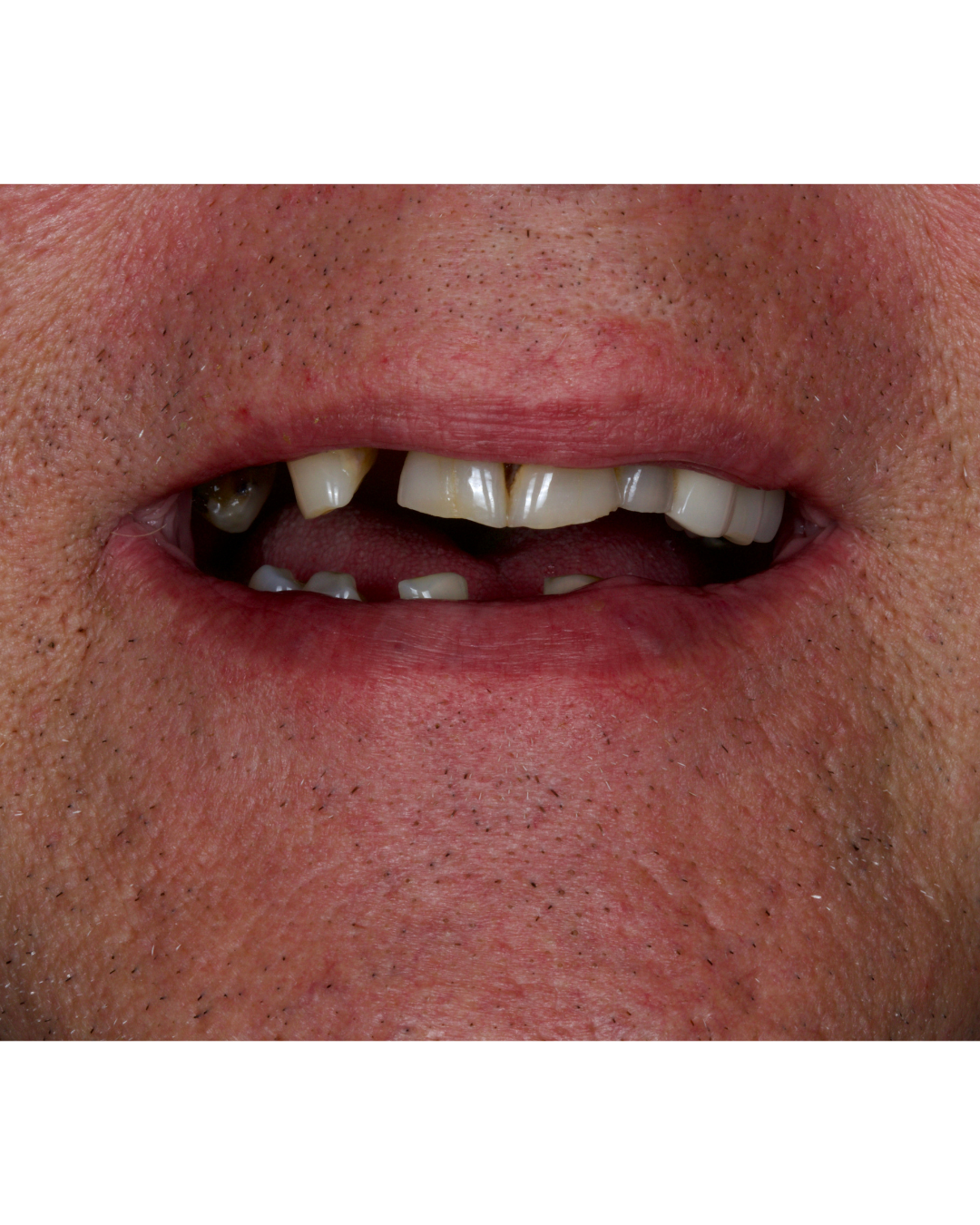
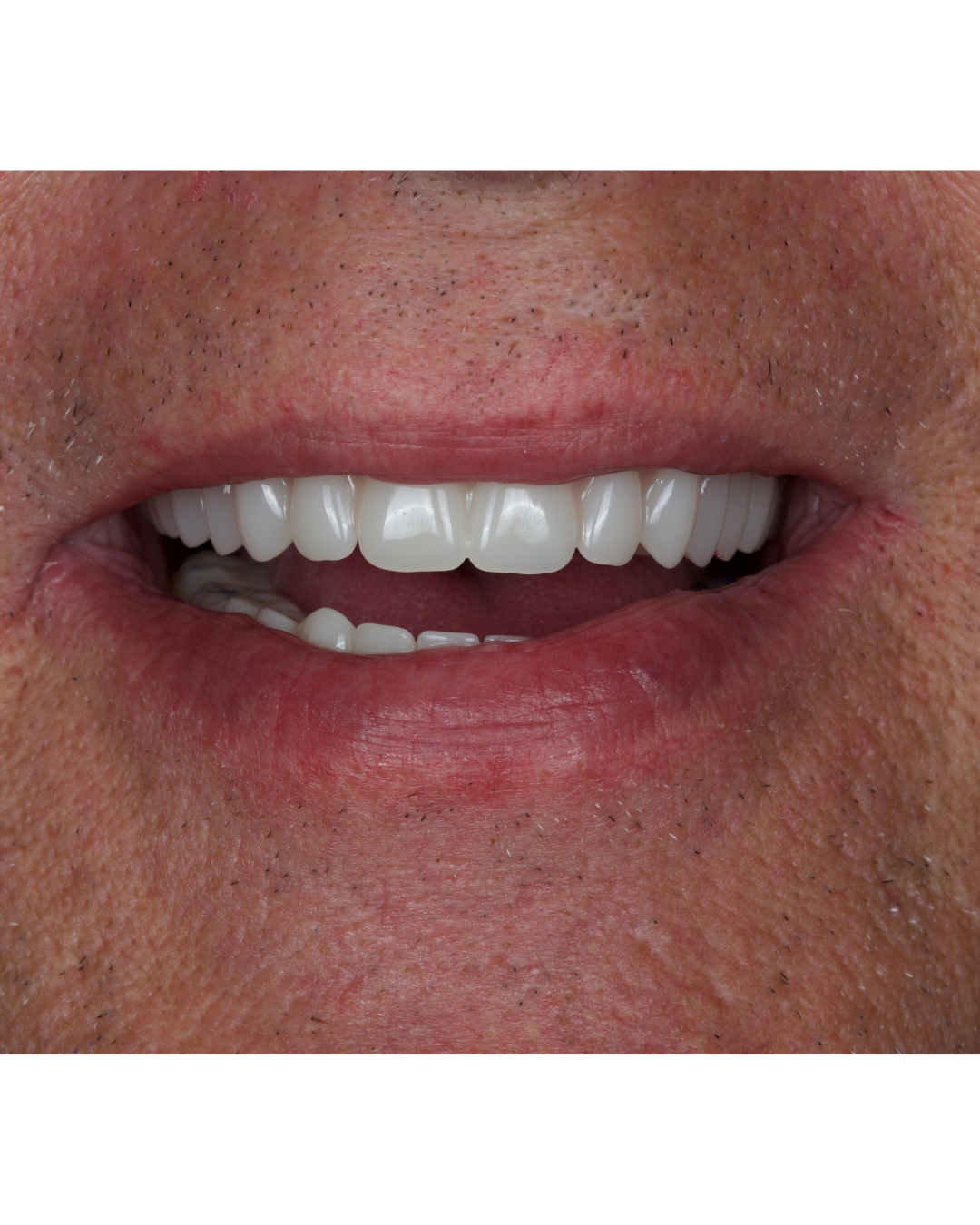
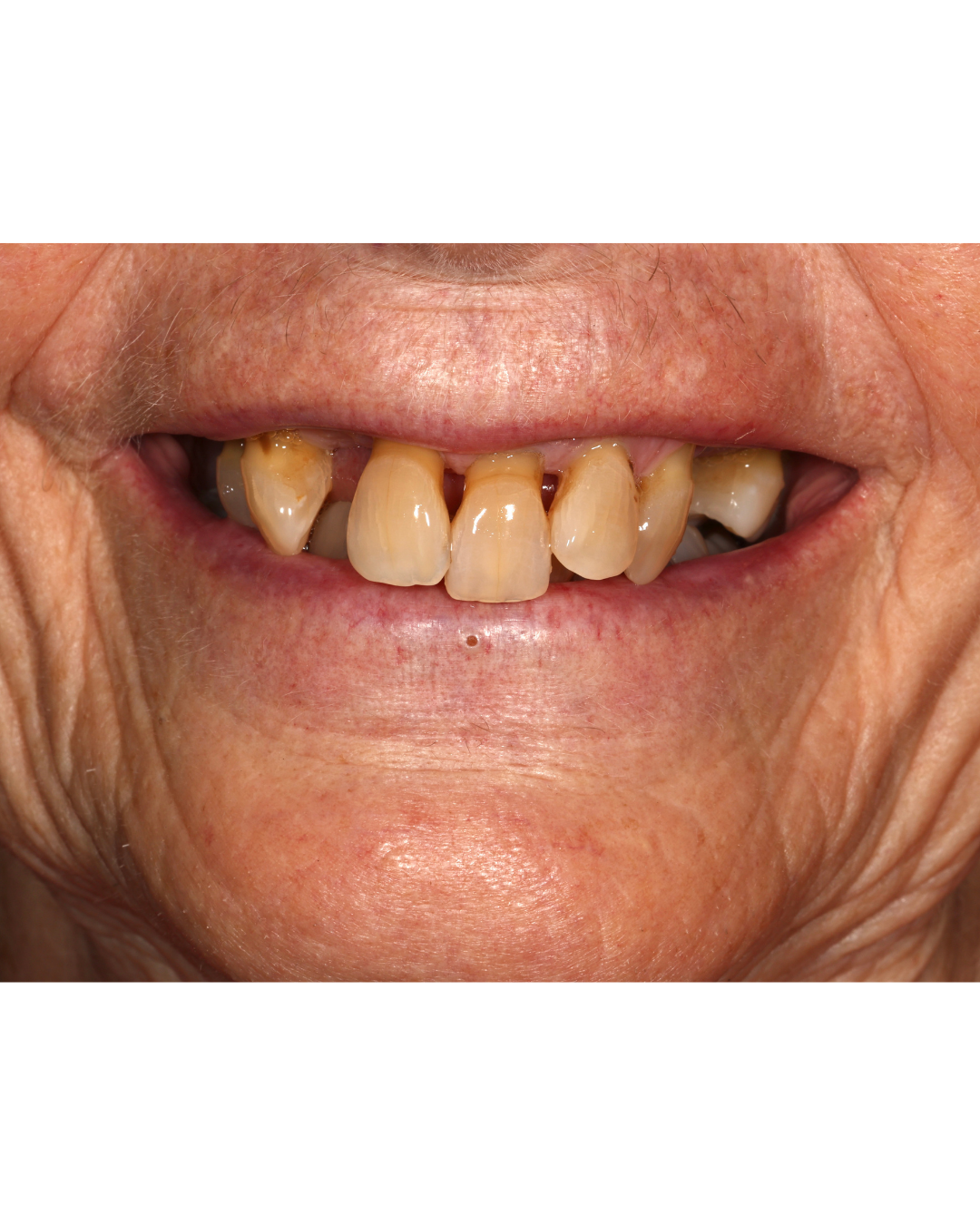
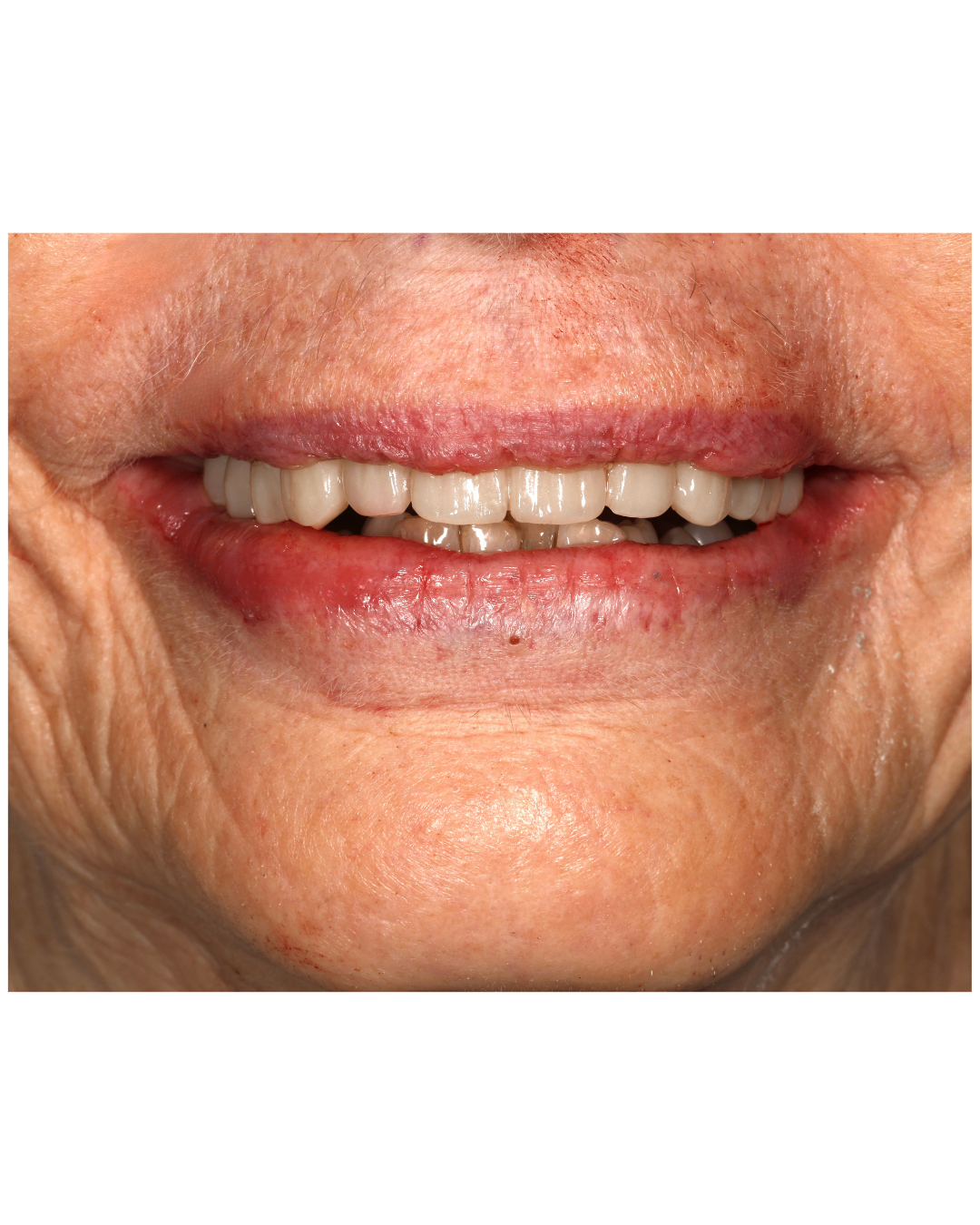
Precision Rehabilitation
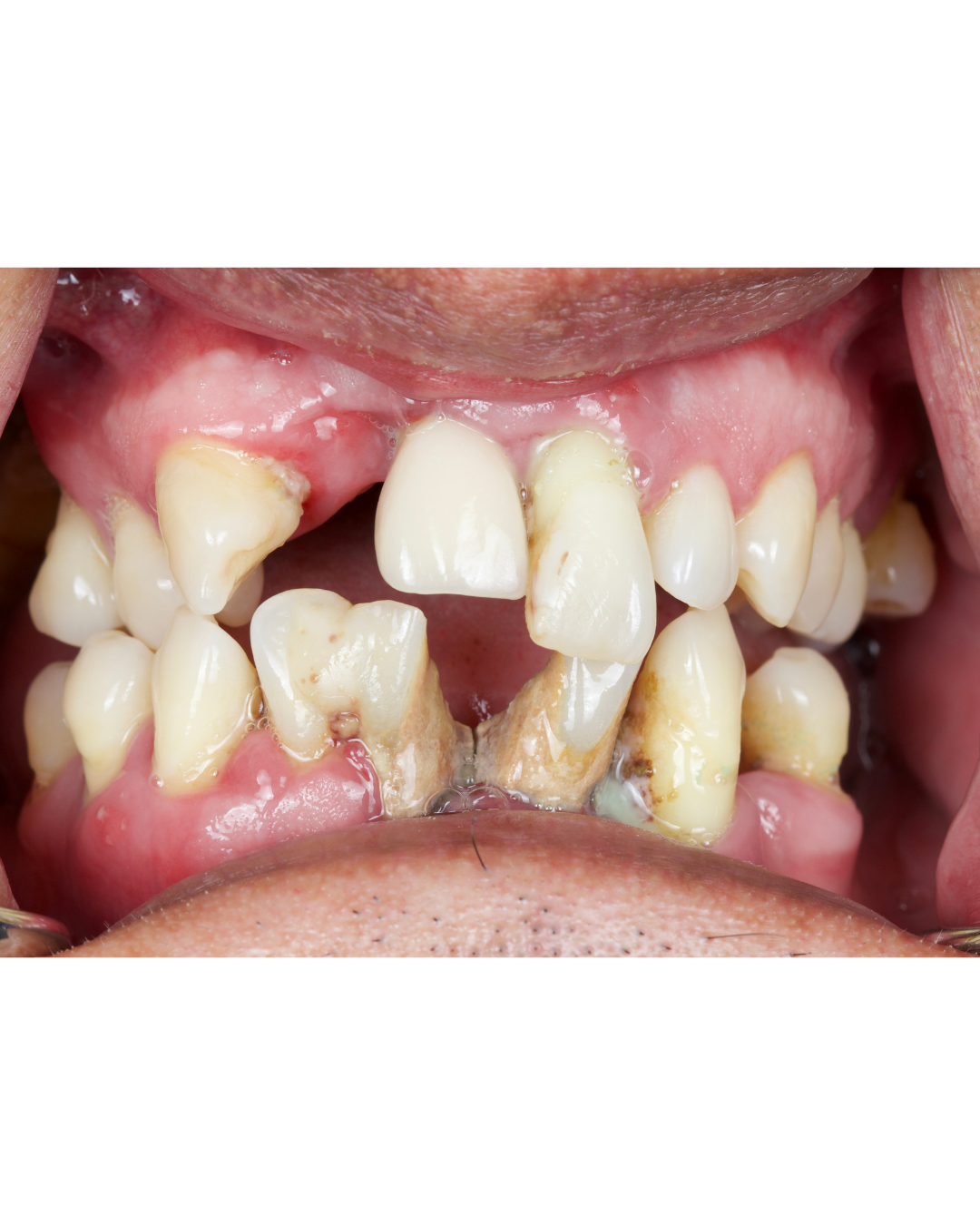
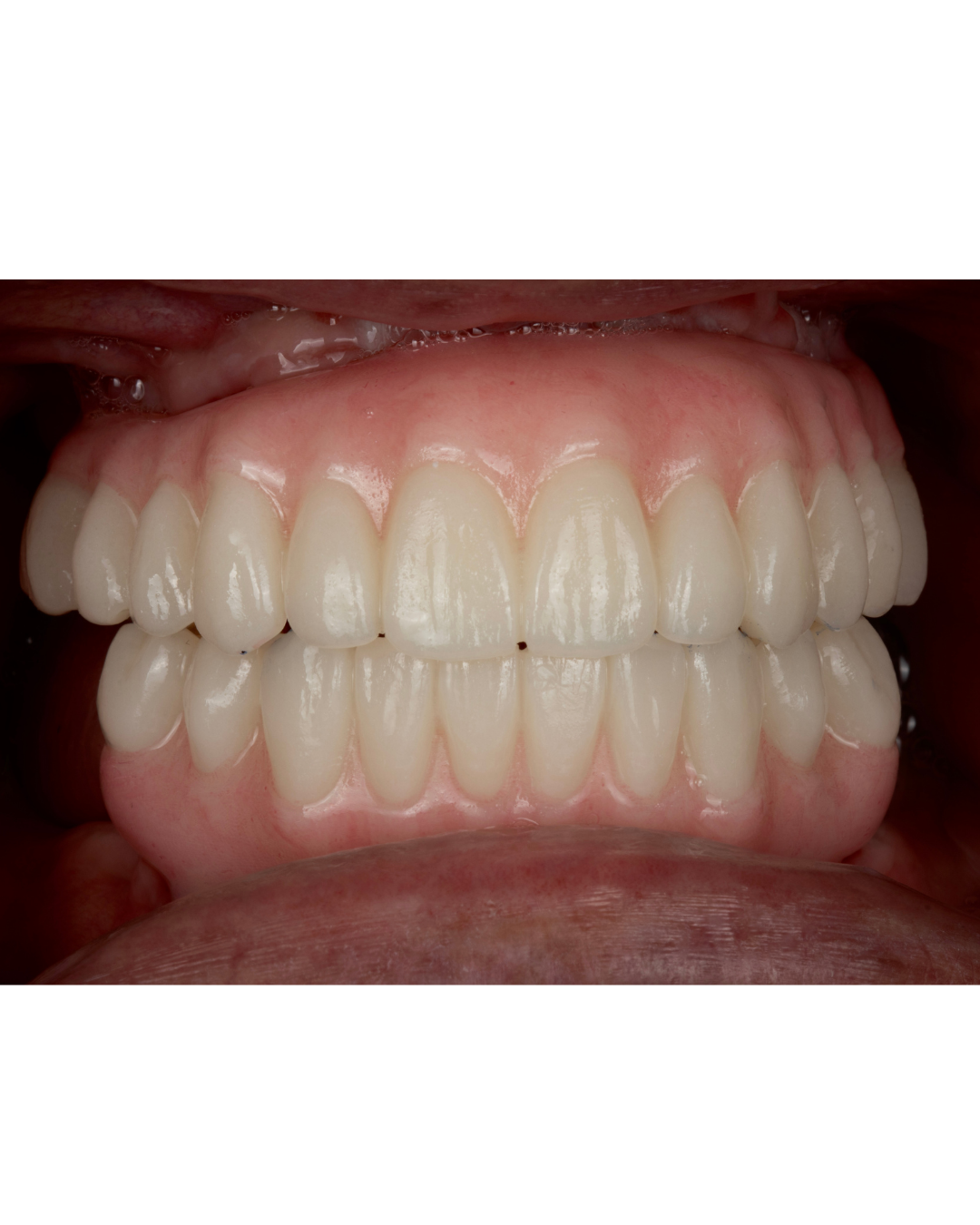
Your Treatment Journey
A Structured, Predictable Process
Full-arch implant rehabilitation follows a carefully sequenced clinical protocol.
Each phase is designed to ensure biological stability, functional comfort, and long-term mechanical integrity.
Treatment is performed in clearly defined stages, allowing healing, adaptation, and refinement at every step.
For most patients, the process is far more controlled and comfortable than anticipated.
Precision replaces uncertainty.
Precision. Biology. Longevity.
Full-arch implant rehabilitation is not a single procedure. It is a carefully sequenced integration of diagnostic precision, biological understanding, and prosthetic engineering, designed to restore complete oral function with lasting structural stability and natural aesthetics.
Prosthetically Driven Planning
Treatment begins with the final restoration. Implant positioning is guided by prosthetic design, ensuring optimal load distribution, emergence profile, and long-term retrievability.
Biologically Respectful Protocols
Every clinical decision prioritizes soft tissue stability, bone preservation, and controlled healing. Biological integration is the foundation of lasting outcomes.
Precision Engineered Prosthetics
Prosthetic components are designed for structural integrity, passive fit, and natural esthetics. Materials and fabrication methods are selected to maximize longevity and function.
Clinical Indications
Who Benefits from Full-Arch Implants
Extensive Tooth Loss
Patients experiencing significant tooth loss requiring comprehensive prosthetic rehabilitation of one or both arches.
Failing Dentition
Individuals with compromised remaining teeth where extraction and full-arch restoration provides superior long-term outcomes.
Functional Instability
Cases where existing prosthetics or remaining dentition no longer provide adequate masticatory function or occlusal stability.
Advanced Restorative Needs
Complex clinical presentations requiring multidisciplinary treatment planning and comprehensive prosthetic rehabilitation.
Your Treatment Journey
What To Expect
Full-arch implant rehabilitation is a carefully sequenced clinical process designed for precision, comfort, and long-term stability.
Treatment typically begins with a comprehensive diagnostic evaluation, including digital imaging, bite analysis, and anatomical assessment.
Based on this data, a personalized treatment plan is developed to ensure biological compatibility, functional balance, and aesthetic harmony.
Each phase of care is performed methodically, allowing healing, refinement, and adaptation at every stage.
For most patients, the experience is significantly more controlled and comfortable than anticipated.
Clarity replaces uncertainty.
Clinical Expertise
Specialized Expertise Matters
Full-arch implant rehabilitation is a highly specialized form of dental reconstruction requiring advanced training in prosthetics, bite dynamics, facial support, and long-term functional stability.
Successful outcomes depend not only on surgical precision, but on comprehensive prosthetic planning, biological considerations, and structural design.
Treatment is guided by principles of predictability, stability, and anatomical harmony.
Diagnosis precedes intervention.
Treatment Philosophy
Clinical Approach
Full-arch rehabilitation demands precision-driven diagnosis, prosthodontic rehabilitation principles, and biologically respectful protocols to achieve long-term stability and function.
Treatment philosophy reflects principles incorporated within the STABLE IMPLANT Protocol™, emphasizing soft tissue stability, bone preservation, and biomechanical integration.
Rehabilitation Outcomes
Treatment Goals
Functional Restoration
Re-establishment of complete masticatory function, phonetics, and oral comfort through implant-supported fixed prosthetics.
Structural Stability
Biomechanically sound implant positioning and prosthetic design ensuring long-term load distribution and osseous health.
Aesthetic Integration
Prosthetic design harmonized with facial proportions, soft tissue contours, and natural dental anatomy.
Long-Term Predictability
Evidence-based protocols and precision engineering designed to maximize the longevity and maintainability of the rehabilitation.
Before You Decide
What to Expect
Your Healing Timeline
Day of Treatment
Surgery is performed under anesthesia in a controlled clinical setting. A temporary fixed prosthesis is often placed the same day, allowing you to leave with a full set of functional teeth.
First 24–72 Hours
Swelling, mild bruising, and discomfort are expected. These responses are normal. Cold compresses, rest, and prescribed medications support your comfort.
First Week
A soft diet is essential during this phase. Speech may feel slightly different initially but normalizes quickly. Most patients notice daily improvement.
First Month
Tissues continue maturing. Swelling fully resolves. Follow-up visits monitor healing and implant integration. Dietary progression is guided by your specialist.
Long-Term Healing
Full osseointegration occurs over several months. Once confirmed, your permanent, precision-engineered prosthesis is designed and delivered.
Healing & Recovery
Full-arch rehabilitation involves a more comprehensive healing process than single-implant treatment. Understanding what to expect helps you navigate recovery with confidence.
- Swelling and bruising may extend to the cheeks or under the chin. This is normal and temporary.
- Speech may feel slightly altered for the first few days as you adapt to the temporary prosthesis.
- Numbness or tingling near the treatment area is typically temporary.
- Energy levels may be reduced for the first 2–3 days. Rest supports healing.
- Your specialist provides a structured recovery plan with clear milestones.
Practical Guidance
Looking after it day to day
Eating
Strict soft diet for 2–4 weeks. Protein shakes, smoothies, blended soups, soft eggs. Your specialist provides a structured dietary progression timeline.
Oral Hygiene
Gentle cleaning with a soft brush. Water irrigation may be recommended. Detailed hygiene protocols are provided at your follow-up appointments.
Activity
Rest for 2–3 days after surgery. Avoid heavy lifting and vigorous exercise for at least one week. Gradual return to normal activity as comfort allows.
Comfort
Prescribed pain management, cold compresses, and rest. Sleep with your head elevated for the first few nights. Most patients feel significantly better by day 5–7.
Common Questions
Questions patients ask most often
What can I eat after surgery?
A nutrient-rich soft diet is essential for the first several weeks: protein shakes, blended soups, yogurt, soft fish, mashed vegetables. Your specialist guides dietary progression based on healing.
How long does swelling last?
Swelling typically peaks at 48–72 hours and gradually subsides over 7–10 days. Cold compresses and elevation help manage the response.
Will speech feel different?
Slight changes in speech are common during the first few days. Your mouth adapts quickly, and normal speech patterns return as you adjust to the new restoration.
When do final teeth come?
Your permanent prosthesis is delivered once all implants have fully integrated with the bone. This typically occurs several months after surgery.
Will it feel strange initially?
Yes, a new full-arch prosthesis feels different at first. This is entirely normal. Within a few weeks, most patients describe the teeth as feeling natural and comfortable.
Next Step
Begin With a Comprehensive Evaluation
Full-arch implant rehabilitation begins with a detailed clinical assessment designed to evaluate biological, functional, and structural factors unique to each patient.
This diagnostic phase allows treatment options to be discussed with clarity, precision, and clinical discretion.
Every recommendation is diagnosis-driven.
Request a Private Consultation